
The Sixth Fundamental of Sales Know-How with Ian Cartwright: Knowing How To Do It More
If the Fifth Fundamental is about how to sell well through starting and managing good conversations, the Sixth is about doing it consistently. This is the point where good salespeople become great ones — not through charisma or luck, but through discipline, organisation, and the ability to build longterm, mutually beneficial customer relationships.
In many ways, this final Fundamental is the engine room of the entire model. It’s where capability turns into repeatable performance.
Because once you know what you do, why you do it, who you do it for, where to focus, and how to sell… the real question becomes:
How do you do it more, more often, and with more impact?
Let’s break it down.
WHY RELATIONSHIP MANAGEMENT MATTERS MORE THAN EVER
Growing sales isn’t just about finding new customers — it’s about keeping and expanding the ones you already have. Research shows that even a small lift in customer retention can dramatically increase profitability. And in B2B sales, where relationships are longterm and trust is everything, this couldn’t be more true.
Strong customer relationships are built on five things:
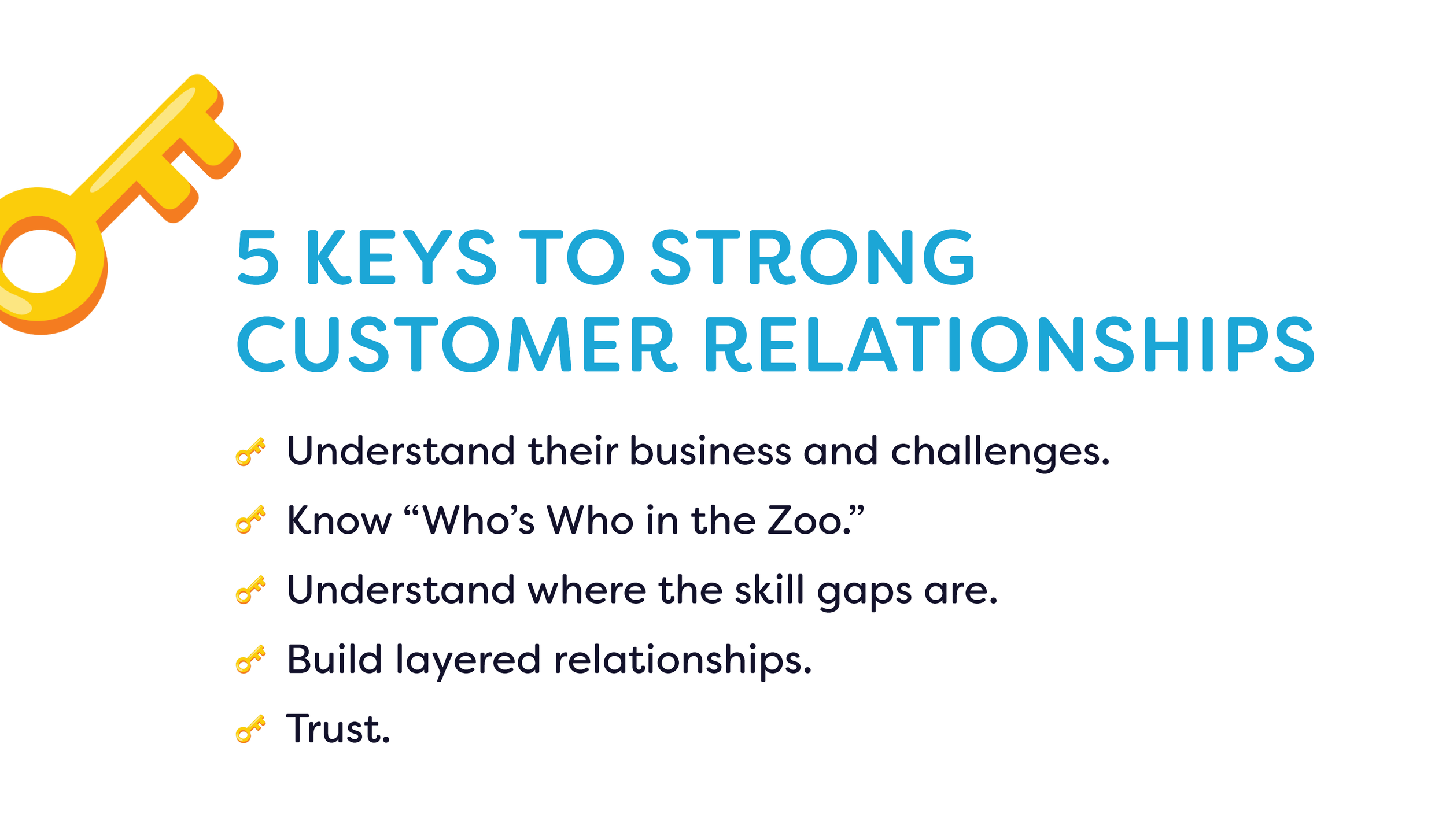
When you consistently show up, solve problems, and make your customer’s life easier, you become more than a supplier. You become part of their team.
And when you reach that point, you’re no longer fighting for every order — you’re being invited in.
LAYERED RELATIONSHIPS: YOUR INSURANCE POLICY
Many salespeople rely on a single strong relationship inside a customer’s business. It works… until it doesn’t.
People move on. Roles change. Priorities shift.
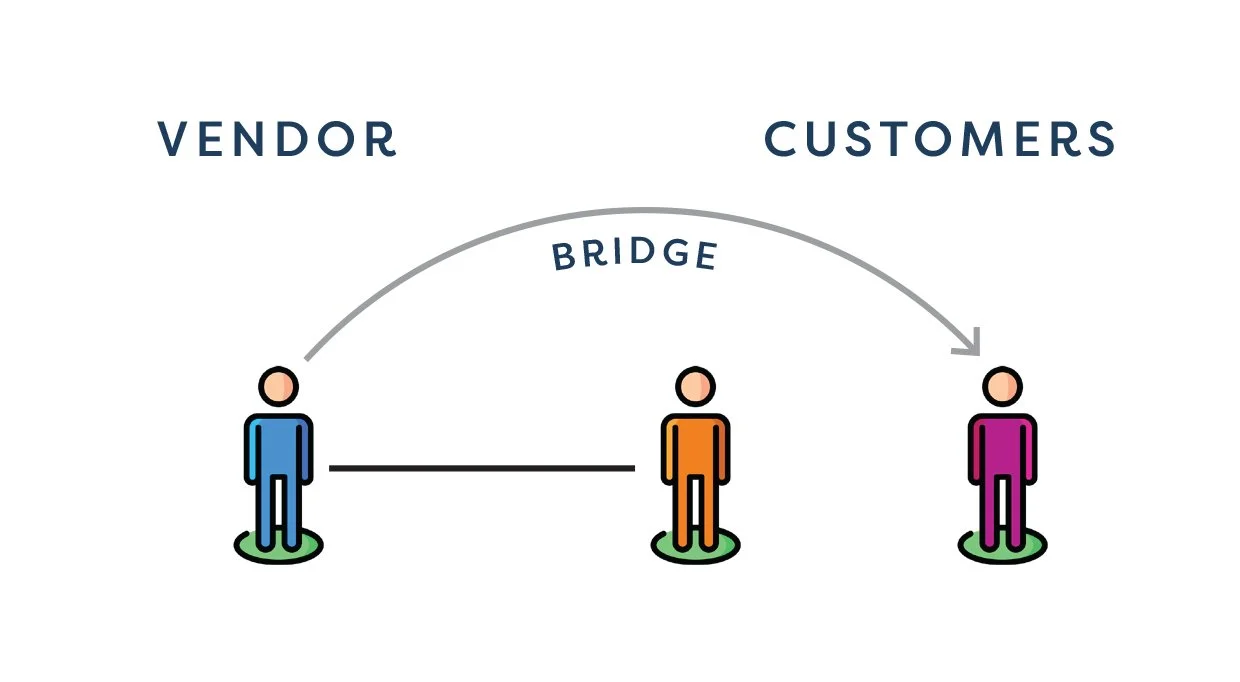
That’s why layered relationships matter. Instead of one connection, you build many — across technical teams, purchasing, management, and even leadership. Think of it as weaving a web between the two organisations.
If one strand breaks, the relationship still holds.
A simple starting point?
BUILD THE 2IC BRIDGE
If your main contact left tomorrow, who would step into their role? Build rapport with that person now, not later.
This approach makes you harder to dislodge and easier to trust.
MAINTAINING THE RELATIONSHIP: THE LITTLE THINGS COUNT
Relationship management isn’t about grand gestures. It’s about consistency, professionalism, and genuine care.
A few principles go a long way:
Be authentic. Customers can smell insincerity a mile away.
Be present. Listen to hear, not to reply.
Be proactive. Don’t wait for problems — anticipate them.
Be thoughtful. A small, appropriate gesture at the right time can strengthen a relationship more than a big one at the wrong time.
And always remember:
You can milk the cow, but don’t bite the teat.
In other words, don’t push too hard. Let the relationship breathe.
KEY ACCOUNT MANAGEMENT: A PLAN, NOT A GUESS
Your most valuable customers deserve more than adhoc attention. They need a structured plan — one that maps:
Who the key contacts are
What relationships exist (and what gaps need bridging)
What interactions should happen and when
What value you’re delivering and how you’re measuring it
A Key Account Plan turns good intentions into consistent action. It ensures you’re not just maintaining the relationship — you’re growing it.
SALES TERRITORY PLANNING: KNOW IT, OWN IT, GROW IT
Once you understand your customers and relationships, the next step is managing your territory with intention.
Effective territory planning includes:
Setting SMART goals that align with business objectives
Analysing your territory to understand where revenue really comes from
Prioritising customers based on value, potential, and cost to serve
Planning your call cycle so you’re proactive, not reactive
And then there’s the mindset piece:
Be the Mayor.
Become the person everyone in your industry knows, trusts, and turns to for insight — not just about your product, but about the wider landscape.
TIME MANAGEMENT: THE SECRET SAUCE OF SALES PROFESSIONALS
Every salesperson knows the feeling of being “busy”. But busy isn’t the same as productive.
The best salespeople are disciplined. They prioritise revenuedriving activity. They manage their time with intention. They avoid Labradorlike distractions and stay focused on what matters most.
Because in sales, organisation isn’t optional — it’s a competitive advantage.
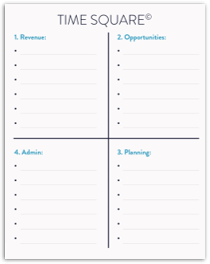
A simple rule of thumb:
If it drives revenue, it goes first.
If it progresses an opportunity, it goes next.
If it identifies new opportunities, it follows.
Everything else is admin.
Master this, and you’ll outperform most of your competitors without working longer hours.
BRINGING IT ALL TOGETHER
The Sixth Fundamental is the glue that holds the entire model together. It’s the discipline behind the strategy, the consistency behind the capability, and the professionalism behind the performance.
When you:
Build deep, layered relationships
Maintain them with authenticity
Plan your key accounts
Manage your territory strategically
And master your time
…you don’t just sell more.
You become indispensable.
And that’s the real goal of sales knowhow — not just to win business, but to become the trusted partner your customers rely on.